
We used Claude to redesign Powersport Academy in about an hour and a half, with additional work still underway. The goal was a bolder website for dealership owners that preserved the courses, memberships, and checkout already running behind it.
If you run an agency, the important part is the judgment behind the changes. Our YouTube live session showed that process, after a difficult morning and several client projects.
Key Takeaways
- Claude redesigned Powersport Academy in about an hour and a half, with additional work still underway.
- The design focused on motorcycle and powersports dealership owners and reused existing photos, copy, testimonials, and offers.
- The team reviewed the page as a draft in Gutenberg, then requested a targeted layout revision before publishing.
- The redesign kept the existing LifterLMS and checkout flow, while agency experience guided decisions about functionality, content, and testing.
Client Work Before the Redesign
An overnight ailment led to a missed 7 a.m. client meeting. We were mortified, although the client had other business to cover and our absence didn’t derail the meeting.
The rest of the day brought several completed projects, even if that rough start was hard to shake.
Two Courses Needed More Than Content Uploads
A dental-hygienist client supplied content for two courses. We handled the website setup, thumbnails, sample-course vouchers, certificate automation, and continuing-education validation. We also connected membership signups to course access and completed requested copy corrections.
That work reflects what LifterLMS membership website development involves: coordinating content, access, and supporting processes.
School Course Filters Needed Careful Review
Another client needed subject categories with grade-level filters. We used categories such as Math and tags for Elementary, Middle School, High School, and K-12.
K-12 wasn’t equivalent to “all.” It identified courses intended for that entire range, so the filter needed to preserve that distinction.
Because we lacked server and plugin-installation access, we added an HTML menu to the category pages. We tested it and the LifterLMS events add-on, then recorded a walkthrough. After demonstrating a sample event, we deleted it to avoid confusing visitors on the live site.
A Clear Brief for Powersport Academy
Powersport Academy was in its sixth year, while its existing website had been in place for about a year. We wanted a stronger presentation for owners of motorcycle and powersports dealerships selling brands such as BMW, Ducati, Suzuki, Honda, Yamaha, CFMoto, Polaris, BRP, and Can-Am.
Our design prompts specified the dealership-owner audience, a more striking design, owner-focused testimonials and calls to action, and the requirement to preserve LifterLMS functionality.
We used the Kurt von Ahnen speaking, training, and coaching website as a reference. That redesign had brought together more than 200 podcast episodes and speaking appearances.
After connecting Claude through WP Vibe, we checked the returned site details to confirm it was working with the correct WordPress installation.
A Homepage Built Around Dealership Owners
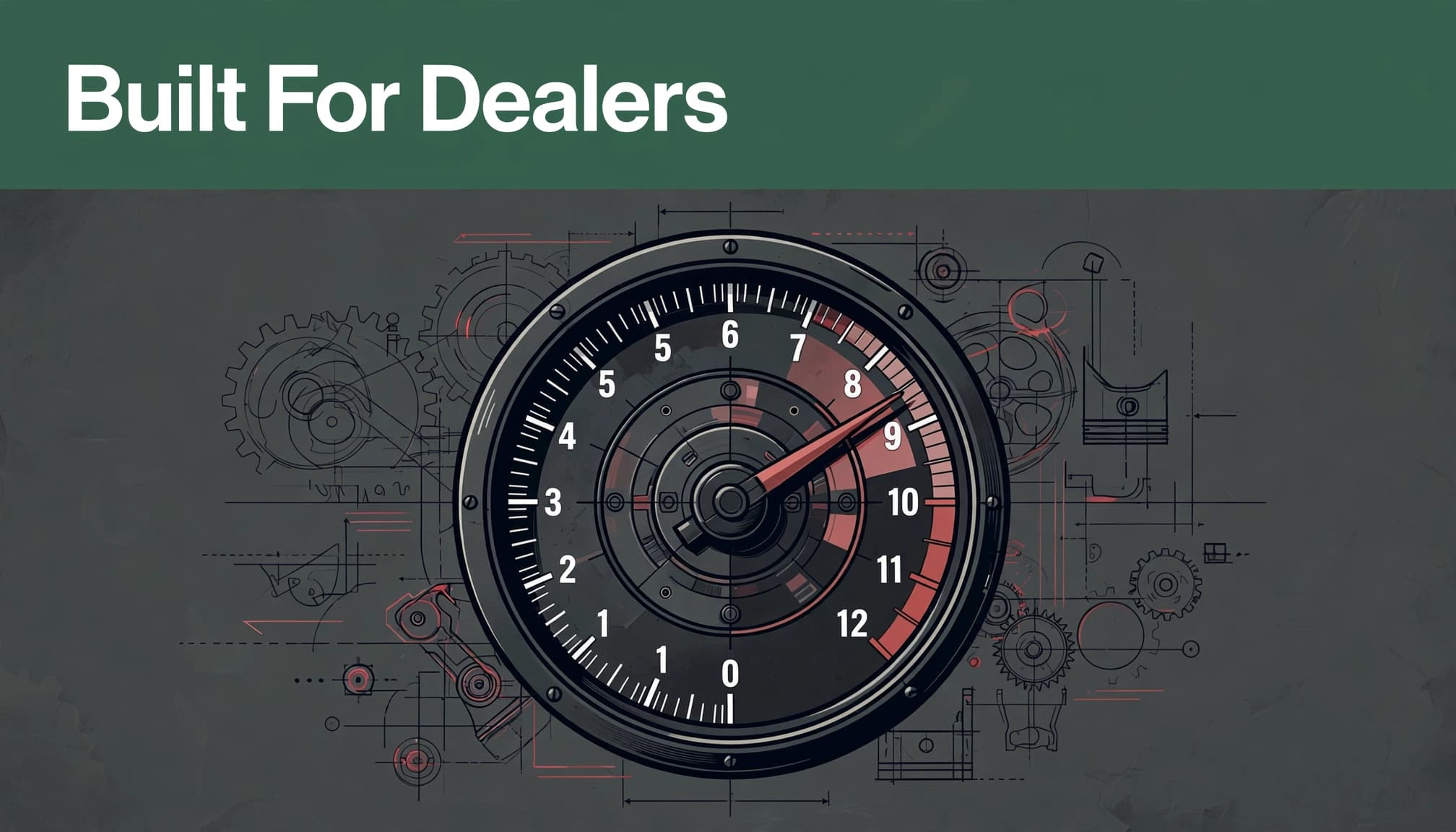
For the dealership-focused landing page, Claude proposed carbon black, race-red accents, and the brand colors, paired with bold, italic, number-plate-style typography. The opening headline, “Your service department is idling,” appeared beside an animated tachometer with a sweeping needle and blinking shift light.
A text ticker named the dealership brands. Text avoided the uneven sizing that can make a rotating logo strip look messy.
The redesign reused existing photos, copy, testimonials, and offers instead of adding AI images. Its six program cards covered a free option, a $27 course, self-paced training, one-on-one training, whole-team training, and the Dealer Hero program.
The page also retained testimonials from Eric Madson, Jason Bishop, and Terry Lynn, plus the newsletter signup.
Another call to action connected visitors to DealerGaps, our separate tool that asks 11 questions to estimate revenue opportunities a dealership may be missing. The redesign brought existing products together instead of inventing unrelated offers.
Reviewing the Draft Before Publishing
Claude first built the page as a draft, leaving the live version unchanged. We reviewed the draft in the Gutenberg editor before publishing.
Our main criticism was the oversized video. Our second set of design prompts asked for a half-width video beside the headline and call to action. Claude revised the layout, stacking the video above the text on phones.
The revised landing page offered a free membership as a lower-commitment next step because other sections already promoted DealerGaps.
That distinction mattered. Different sections could support different decisions instead of sending every visitor toward the same action. The draft took an initial build and a targeted revision, so calling it a one-prompt result would miss part of the process. For future projects, track credits across revisions to monitor AI costs.
Extending the Design and Planning for Speed
The redesign extended to course and membership catalogs, checkout, and the student dashboard. The goal was to preserve the existing checkout and LifterLMS flow, not migrate it to WooCommerce.
The e-commerce flow also had to preserve membership access. Any subscriptions or product blocks would need checks against the existing checkout and LifterLMS flow.
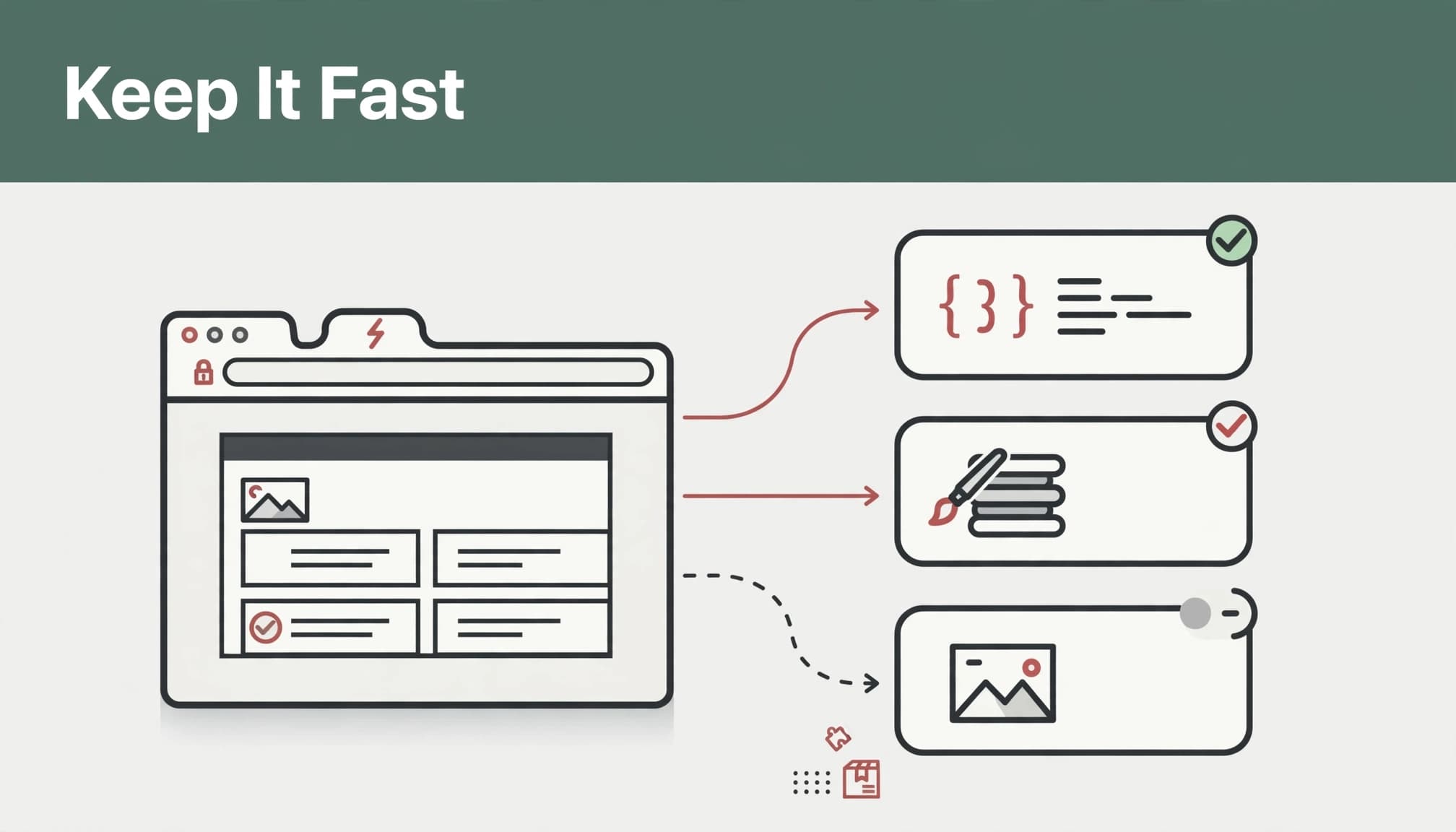
Claude used core Gutenberg blocks and a stylesheet rather than adding another page builder for the new page. We reviewed the block-based work in the Gutenberg editor.
The stylesheet included custom CSS to correct dark-theme conflicts, including light text on white blog cards.
We approved further work on the About, Program, Contact, and Testimonials pages. A Multi-Page Generator could draft coordinated layouts for those pages, but each would still need review and approval. Meanwhile, we requested removal of the unused Events page and turned off membership-page comments.
Translation, a language switcher, and a multilingual site weren’t part of this redesign. Each would need its own testing if introduced later.
Performance Was Part of the Brief
Claude also created reusable styling, header, and footer components. The performance plan included reusable custom CSS and code snippets intended to prevent unused plugin assets from loading on the page.
For example, that page didn’t need every LifterLMS or Stripe asset required elsewhere. This page-specific WordPress performance cleanup approach made fast navigation a design goal, but we didn’t present a measured speed result for this rebuild.
Results Needed the Right Context
We approved a 47% average service-increase figure for the stats bar. However, we declined to promote Moto Corsa’s 200% first-year jump as a general homepage result.
We kept that example in its original course-catalog copy, where it described a particular experience rather than an expectation for every dealership.
Agency Experience Still Guided the Work
More than 20 years of experience informed our decisions throughout the session. We knew the audience, understood the expected output, and could answer Claude’s questions about implementation.
That experience also explained the different approach on the school project. We used Claude through WP Vibe, not Pagora AI. Generated code may need several revisions before it meets a client’s expectations. Without access to the server, files, or plugin controls, we weren’t going to experiment freely on a client’s live website.
Whether you use an AI Builder, Pagora AI, an AI Page Generator, a Multi-Page Generator, or another website builder, generated code needs a workable testing and recovery path.
Our advice is to follow the AI’s actions instead of treating its output as a mystery. We also work with a staging site or a recent backup so there’s a way back if a change breaks something.
As with professional WordPress website rebuilds, the work extends beyond appearance. Calls to action must reach the right destinations, and the e-commerce flow must preserve checkout, memberships, and course access.
Frequently Asked Questions
What did Claude redesign for Powersport Academy?
Claude created a dealership-focused landing page and extended the design to the course and membership catalogs, checkout, and student dashboard. The goal was to preserve the existing courses, memberships, and checkout flow.
How did the team review the AI-generated page?
Claude first built the page as a draft, which the team reviewed in the Gutenberg editor. After they raised concerns about the oversized video, they requested a revision that placed it beside the headline and call to action on desktop and above the text on phones.
Did the redesign replace LifterLMS or move checkout to WooCommerce?
No. The plan was to preserve the existing LifterLMS and checkout flow, not migrate checkout to WooCommerce. Any subscriptions or product blocks would need to be checked against that flow.
Did the team measure a speed improvement?
The performance plan included reusable custom CSS and code snippets intended to prevent unused plugin assets from loading on the page. The team didn’t present a measured speed result for the rebuild.
More Work Completed, With Judgment Intact
The clearest benefit was doing more work sooner. We might have left the old Powersport Academy website in place for several more years without these tools.
The timing also mattered: after live training in Idaho with the HeroHub team, we wanted a stronger website to support promotion of that work.
AI accelerated the redesign, while our experience guided the decisions about audience, functionality, and which results belonged on the homepage. That combination made the project worth doing sooner.