
After months of riding with an injured foot, we finally had a day on the bike that felt healthy. Enjoying a ride and feeling ready to compete are different things, and that distinction mattered after a difficult stretch.
This supplemental Fitness, Focus, Freedom Friday check-in came on a Saturday, with the camper van in the background. The excitement in our YouTube update started with something we’d been missing: confidence in how our body felt on the bike.
Key Takeaways
- A foot injury from mowing took time to recover from. Staying active and riding during recovery didn’t mean we felt ready to compete.
- On this ride, we felt tired early, then our effort settled, our breathing felt controlled, and nothing hurt.
- The Signal Peak felt fast, but the ride didn’t include measured results or confirmed personal records.
- We kept riding because staying active matters to us. Our experience is personal, not a recovery plan for someone else.
- “Hero dirt” is soil with enough moisture for good grip without becoming muddy.
An Injured Foot Changed the Year
We crushed a foot in July. This wasn’t a bike accident: the foot became trapped between the mower and a mailbox post while mowing. It was a painful injury, and recovery took time.
Staying active didn’t mean we felt fully recovered. As part of our injury recovery, we still enjoyed bicycles, put in miles, and took on challenges, but we hadn’t felt healthy enough to approach competition with confidence.
That was the difference on this ride. We could concentrate on doing the work instead of carrying the same doubts about whether our body was ready.
The injury also brought questions from people who wondered why we kept riding. Our decision came from a strong desire to stay active, but it was a personal choice, not a recovery plan for someone else to copy.
This account isn’t a rehabilitation protocol or a substitute for individualized guidance from a physio or physical therapy professional. For someone considering a return, clinician-guided options might include light exercise, short rides, and gradual progression. Those are general possibilities, not a description of our routine.
Cycling Had Already Become a Lasting Habit
Our return to cycling and cyclocross goes back well before this foot injury. In a March 2018 account, written at age 50, we described riding 40 to 50 miles and running 3 to 10 miles each week.
Those were our reported numbers at that time, not a description of our current routine. We had also completed three Warrior Dashes, a first Spartan Race Sprint, and several organized local bike rides.
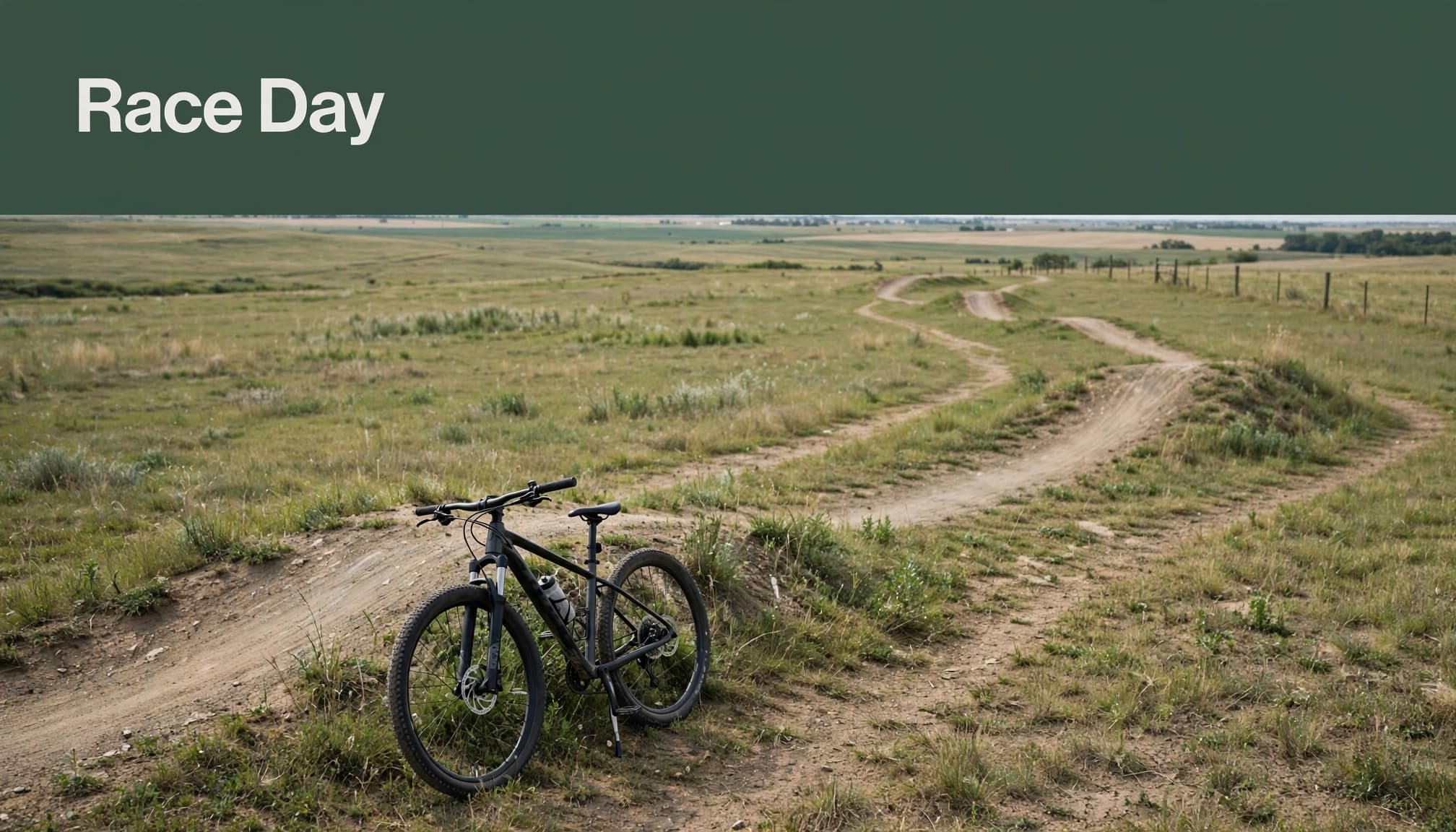
Cycling became the activity we kept gravitating toward. That history helps explain why an injury didn’t erase our interest in riding, even when it changed how we felt about competing.
There was still enjoyment in getting outside and putting in miles. Feeling healthy enough to do more was the part we’d been waiting for.
A Bike That Made Speed Feel Possible
The Signal Peak earned an enthusiastic mention in our check-in. Riding it left us feeling faster, with the sense that personal records were within reach.
That’s a description of how the bike felt, rather than a set of measured results. The enthusiasm was genuine, but we weren’t comparing ourselves with pro cyclists or claiming measured results. Those numbers would need to come from the ride data.
Our earlier bike-buying experience included a 26-inch Cannondale hardtail bought through a friend, followed by a carbon-framed cyclocross bike. We rode that cyclocross bike at the San Diego Century and on Skyline Trail fire roads.
Those earlier experiences gave us plenty of reasons to appreciate a bicycle that felt good underneath us. With the Signal Peak, the strongest impression was how readily the speed seemed to come.
Settling Into the Effort
The ride didn’t feel equally comfortable throughout. We felt tired earlier on, but our effort became more settled as we continued.
Later, our breathing felt controlled. Nothing hurt, and we felt we had more energy available. That contrast prompted a practical reflection about preparation.
Feeling stronger later in the ride made us question whether we’d taken enough time to warm up.
We wondered whether a better warm-up could have eased the early effort, but that was only a possible explanation. More rest beforehand was another possibility, though we couldn’t tell what would have helped.
What stood out was the change in how our body responded. Once everything settled, we could keep working without the same discomfort or heavy breathing.
Our approach was consistent effort. We concentrated on maintaining speed through corners and making good use of the opportunity, rather than suddenly trying to push wildly. On another day, an easier effort could count as active recovery, but that wasn’t what we did here.
Staying Active Has a Personal Reason
Our explanation for continuing to exercise comes with a self-deprecating joke: there’s an “inner fat kid” looking for a chance to return.
Behind the joke is a straightforward concern about regaining weight. We want to keep moving because we know how much better we feel when we’re active.
That doesn’t mean we spend every day in a panic about fitness. If your usual activity needs adapting, cross training or an indoor bike may be worth considering, depending on your situation. Opportunities to exercise and participate matter to us, even when progress hasn’t been perfect.
The hope behind sharing these updates is modest. Someone watching from the sofa might see our enthusiasm and decide to take the dog to the park.
You don’t have to share our interest in bicycles for that part to make sense. We don’t claim to know a magic formula. Our experience is simply that being mobile feels better than staying still.
What Riders Mean by Hero Dirt
“Hero dirt” is one of those trail terms that captures a condition riders appreciate immediately. It describes soil with enough moisture to provide grip without becoming muddy.
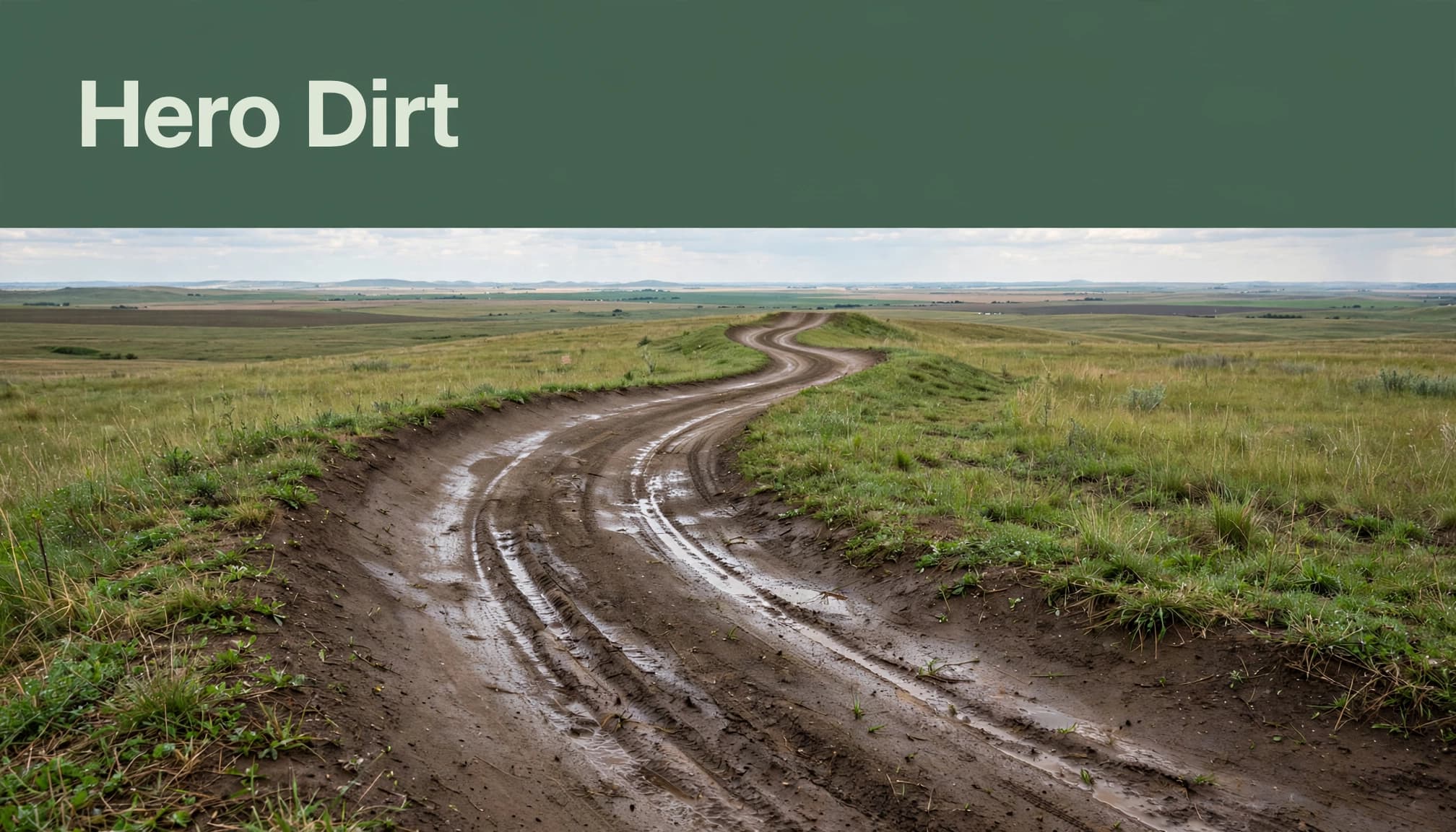
The distinction is traction. Dusty ground can feel loose, while mud creates a different set of problems. Firm, moist dirt gives tires something to hold onto and can make a trail feel fast.
That helps explain the enthusiasm behind the phrase. When we’re trying to carry speed through corners, dependable grip is something we can feel.
It also fits the broader enjoyment of riding: sometimes the memorable part is the combination of a good bicycle, comfortable movement, and time outside.
Frequently Asked Questions
What caused the foot injury?
The foot became trapped between a mower and a mailbox post while mowing. It wasn’t a bike accident, and recovery took time.
Did riding during recovery mean we felt ready to compete?
No. We kept riding and enjoyed putting in miles, but we hadn’t felt healthy enough to approach competition with confidence. Continuing to ride was a personal choice, not a recovery plan for others.
What changed during the ride?
We felt tired early, then our effort settled and our breathing felt controlled. We wondered whether a better warm-up or more rest might have helped, but we couldn’t tell.
Did the Signal Peak set personal records?
We described the bike as making speed feel possible, but we didn’t report measured results or confirmed records. The impression that records were within reach was based on how the bike felt.
What does “hero dirt” mean?
It describes soil with enough moisture to provide grip without becoming muddy. Dusty ground can feel loose, while mud creates different problems for tires.
A Healthy Ride Worth Appreciating
The strongest takeaway was feeling capable again after a stretch when riding and feeling healthy hadn’t gone together. This ride felt like a meaningful recovery milestone: our effort settled, our breathing became comfortable, and the bike felt good.
For some riders, mental recovery includes anxiety about re-injury or uncertainty about how the injury site feels. It’s important to listen to your body as you return.
We had kept our interest in cycling through the injury. Being able to enjoy the effort without the same physical doubts made this check-in worth sharing.